One of the greatest aspects of teaching is that there is a fair bit of freedom for teachers to choose their avenues for professional growth. With the increased availability of information there is greater opportunity for teachers to engage in their own DIY professional development in addition to attending online and offline workshops and conferences.
Teachers are also fortunate in that they are not directly supervised for the most part of their day. Yes, there are observations and walkthroughs, along with staff and collaborative meetings, but teachers are largely left alone to get on with their work.
In some teachers’ eyes, there can be this feeling of having autonomy in what they do. The biggest issue with this is that too much independence and personal choice allows many teachers to focus on the work that they enjoy rather than the work that is essential to support student learning and to function effectively in today’s school environment. Teachers can overlook important areas for development, unless more direct supervision and feedback is given.
One of the biggest problem in schools is the vast technology gap between proficient users of technology and those who struggle. It is noticeable now in schools that a number of teachers who lack important technology skills are also the ones who are struggling to keep pace with the changing nature of schools and the new ways of working. Frustration often exhibited by these teachers who are labouring to keep on top of what appear quite simple and routine tasks. This often spills over into negativity about schools and education in general. It is worth noting that teachers act no differently than students if they feel that they are not equipped to do what is being asked of them; they act out and become disruptive.
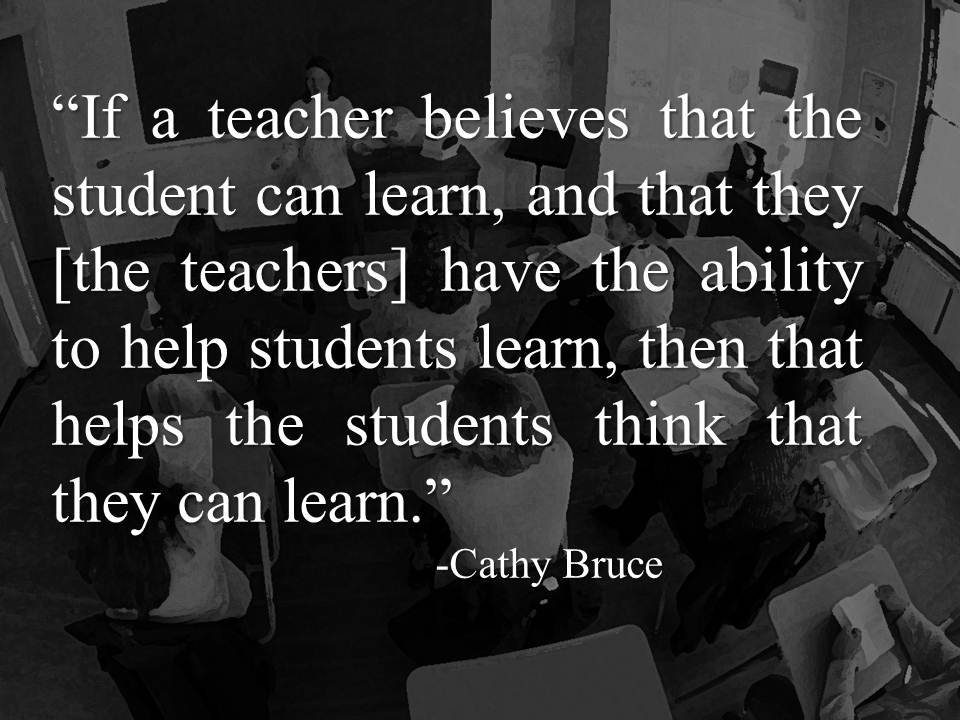
It is imperative, therefore, that school leaders examine how they can improve teacher efficacy, especially in relation to developing the technology skills of teachers. If we want teachers to be more competent in their use of technology in schools, then we must support them in doing so. There comes a point, however, that leaders must give direct feedback to teachers about their own professional responsibility too, this cannot just be a one-way process. The onus must also fall on teachers to take the necessary time to develop the essential skills to function effectively in the workplace. Many of us have learned about the use of technology ourselves because we have regarded it as important to do our jobs well and the greatest lifelong learners demonstrate self-efficacy.


Leave a Reply